



What is a vasectomy?
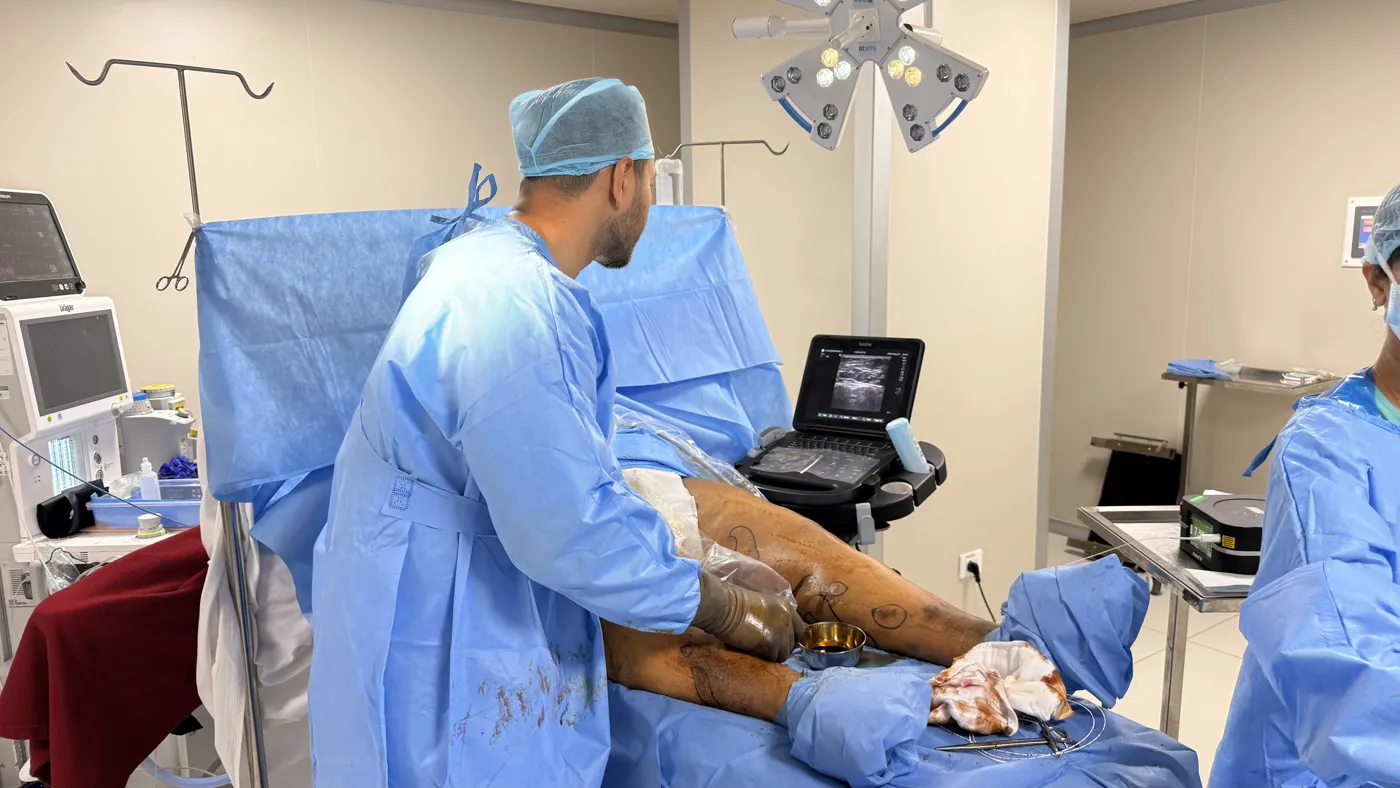
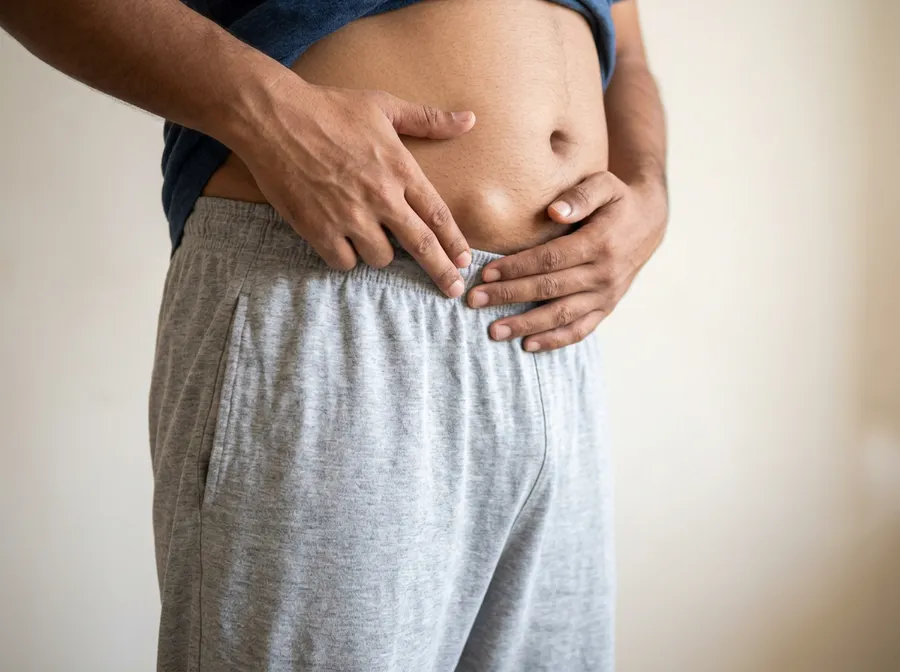
A vasectomy is a minor operation that cuts and seals the two tubes (the vas deferens) that carry sperm from the testes. After it, semen no longer contains sperm, so a pregnancy cannot start. It is one of the most reliable forms of contraception available.
A vasectomy does not affect your hormones, erections, desire or orgasm. The testes keep working normally, and the amount of semen looks almost the same, because nearly all of it is made higher up, beyond the point where the tubes are sealed.
Is a vasectomy right for you?
A vasectomy suits men who are certain they do not want children, or more children, in the future. It should be treated as permanent. Reversal surgery exists, but it is a bigger operation and does not always restore fertility.
It is worth taking time over the decision and talking it through with your partner. Men who are unsure, very young, going through a stressful life event, or deciding under pressure may be better served by another method for now. Dr. Sanjit is happy to discuss alternatives, and there is no rush to decide at the first visit.
The consultation: what to expect
Dr. Sanjit Gogoi asks about your health, any past surgery or injury to the scrotum or groin, bleeding problems and medicines such as blood thinners. A short examination checks that both tubes can be felt clearly and that there is no hydrocele, hernia or other swelling that changes the plan.
He explains how the procedure is done, the small risks, the sperm test you will need afterwards and the need for other contraception until it is clear. Most men find it helpful to bring their partner, though that is your choice.
Methods: no-scalpel and conventional vasectomy
No-scalpel vasectomy
The tubes are reached through a single tiny opening in the skin of the scrotum, made with a fine instrument rather than a cut. The opening is so small that it usually needs no stitches. Studies report less bleeding, less pain and fewer infections than the conventional method, and it is widely used in India.
Conventional vasectomy
One or two small cuts are made in the scrotum to reach the tubes, and closed with dissolvable stitches. It is a well-established method and is sometimes preferred when the anatomy is less straightforward.
In both methods, each tube is divided and sealed, and the ends are separated so they cannot rejoin. Dr. Sanjit routinely does the no-scalpel method and keeps the conventional method for the few men whose anatomy needs it.
How a vasectomy is done
- Before: trim or shave the area as advised, shower, and bring snug briefs or a scrotal support to wear home. Some blood thinners may need to be paused, only on medical advice.
- Anaesthesia: a local anaesthetic numbs the skin and the tubes. You stay awake and may feel a little tugging, but not pain.
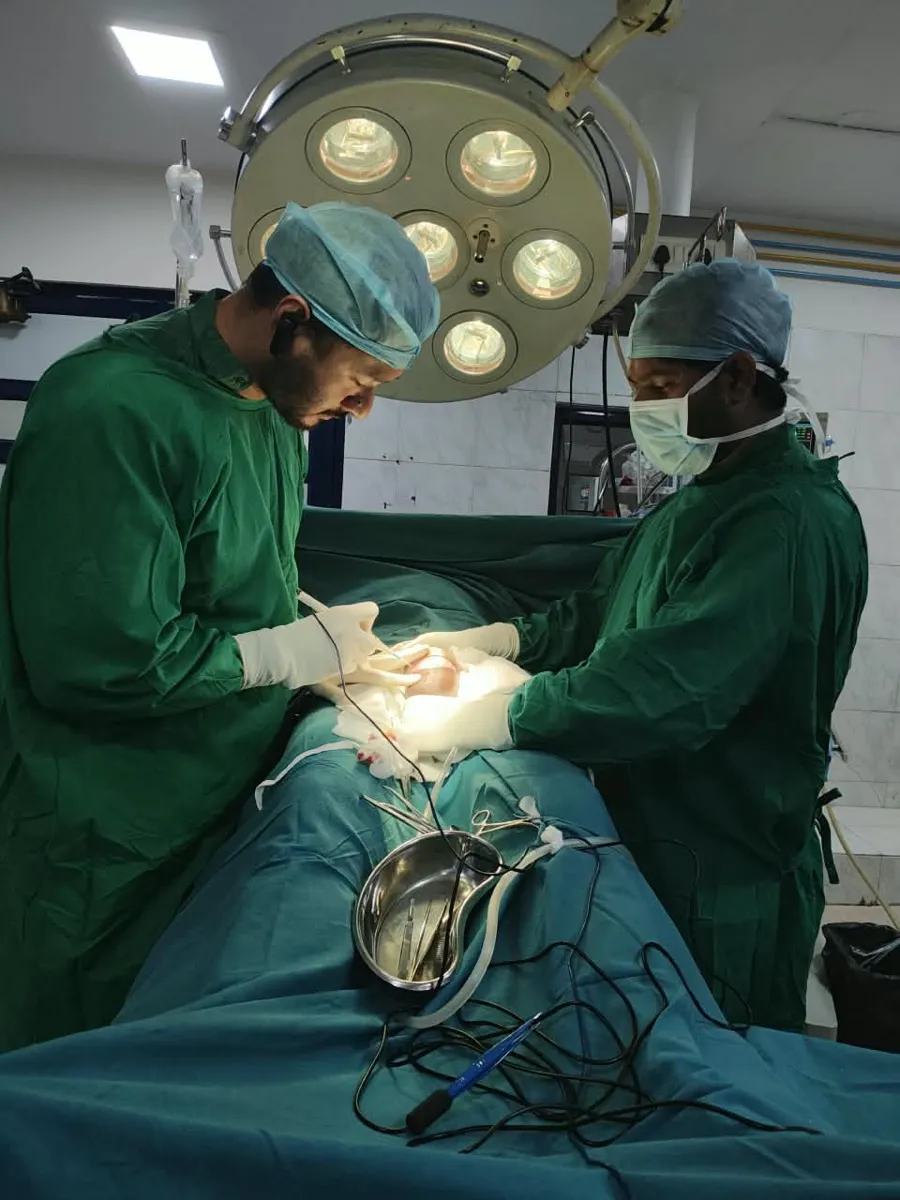
- The procedure: each tube is brought up through the small opening, divided and sealed, then placed back.
- After: a small dressing is applied, and you rest briefly before going home with someone to drive you.
The procedure usually takes 15 to 30 minutes, and you go home the same day.
Recovery: what to expect
| Time | What to expect |
|---|---|
| First 1 to 2 days | Mild ache and swelling; rest, ice packs wrapped in cloth, snug briefs, pain tablets |
| Days 2 to 3 | Most men return to desk work; short walks are fine |
| Around 1 week | Sex, gym, sport and heavier work for most men, when comfortable |
| About 3 months later | Semen test to confirm there are no sperm |
You are not sterile straight away
Sperm already beyond the sealed point take time to clear. Keep using another method of contraception until a semen test, usually done about 12 weeks after the procedure, confirms there are no sperm. Only then is the vasectomy considered effective.
Risks and how they are reduced
- Bruising or bleeding in the scrotum: usually minor. Rest, a support and ice in the first days reduce it.
- Infection: uncommon, and less frequent with the no-scalpel method.
- Sperm granuloma: a small, sometimes tender lump where the tube was sealed, which usually settles.
- Long-term scrotal ache: a small minority of men have discomfort that lasts months. It usually responds to simple treatment.
- Failure: rarely, the tubes rejoin. Early failure is picked up by the semen test, which is why it matters. Late failure is very rare.
Cost, and why patients from Sarjapur Road, HSR and Bellandur see Dr. Sanjit
The cost of a vasectomy depends on the method, the setting (clinic or hospital day care) and the follow-up semen test. Health insurance policies often do not cover procedures done only for contraception, so check yours. For an estimate, book a consultation.
Dr. Sanjit holds an MS in General Surgery and the MRCS from the Royal College of Surgeons of Edinburgh, with about 18 years and more than 6,000 open, keyhole and laser procedures, including hydrocele surgery, circumcision and hernia repair. He gives you time to ask questions without feeling rushed.
He consults and operates at SPARSH Hospital, Sarjapur Road (Carmelaram) from 10 am to 5 pm, and sees patients at the evening clinic in Doddakannelli (3rd Floor, SGR-2, Sarjapur Main Road) from 5 pm to 8 pm, Monday to Saturday, by appointment. For men in Sarjapur Road, HSR Layout and Bellandur, an evening consultation after work is easy to fit in.
MBBS, MS (General Surgery), MRCS (Edinburgh). General and Minimal Access Surgeon with about 18 years in general, laparoscopic and laser surgery. Consults at SPARSH Hospital, Sarjapur Road (10 am – 5 pm) and his evening clinic in Doddakannelli (5 – 8 pm). KMC Reg. No. 96096. More about Dr. Sanjit