



What is bariatric and metabolic surgery?
Bariatric surgery is an operation on the stomach, and sometimes the small intestine, to help people with severe obesity lose weight and keep it off. When the main aim is to control type 2 diabetes and related problems, the same operations are often called metabolic surgery.
Obesity is a long-term medical condition, not a failure of willpower. It raises the risk of type 2 diabetes, high blood pressure, sleep apnoea, fatty liver, joint problems and some cancers. Asian Indians tend to develop these problems at a lower body weight than people of European origin, which is why Indian guidelines use lower BMI thresholds.
These operations work in more than one way. They reduce how much you can eat, and they change the gut hormones that control hunger, fullness and blood sugar. That hormonal effect is one reason blood sugar often improves soon after surgery, sometimes before much weight has been lost.
Who is bariatric surgery for?
Surgery is considered only after a proper attempt at weight loss under medical supervision has not worked or has not lasted. Asia-Pacific (IFSO-APC) and Indian (OSSI) consensus statements generally suggest it for adults with:
- a BMI of 35 or more, with or without obesity-related illness, or
- a BMI of 32.5 or more along with conditions such as type 2 diabetes, high blood pressure, sleep apnoea or fatty liver disease.
BMI is your weight in kilograms divided by the square of your height in metres. As a rough example, a person 1.65 m tall reaches a BMI of 35 at about 95 kg. BMI is only a starting point; the full medical picture matters more.
Surgery may not be suitable if you have untreated severe depression or an active eating disorder, ongoing alcohol or drug misuse, a heart or lung condition that makes anaesthesia too risky, or if you are planning a pregnancy within the next year or so. It is also not right for anyone who cannot commit to lifelong follow-up.
Assessment: the work-up before any decision
Bariatric surgery is never planned by a surgeon alone. Before any decision, Dr. Sanjit Gogoi works with a multidisciplinary team, and you will usually meet:
- A physician or endocrinologist, to review diabetes, thyroid, blood pressure and your medicines.
- A dietitian, who looks at your eating pattern and prepares you for the diet before and after surgery.
- A psychologist, to check readiness and support the large change in eating habits.
- An anaesthetist, who assesses your heart, lungs and breathing during sleep.
Tests usually include blood tests (sugar, HbA1c, liver and kidney function, thyroid and vitamin levels), an ultrasound of the abdomen, an upper GI endoscopy, an ECG and an echo. A sleep study may be advised if heavy snoring or daytime sleepiness suggests sleep apnoea.
Many patients are asked to follow a low-calorie diet for about two weeks before surgery. This shrinks the liver, which sits over the stomach, and makes keyhole surgery safer.
Treatment options
Surgery is one option among several. Lifestyle change with dietitian support, and newer prescription weight-loss medicines, help many people and should be discussed with your physician. Surgery is considered when these have not been enough and the health risks of obesity are significant.
The two operations most commonly performed are:
- Laparoscopic sleeve gastrectomy: about three-quarters of the stomach is removed along its length, leaving a narrow tube. You feel full sooner and hunger hormones fall. The intestines are not rerouted.
- Laparoscopic gastric bypass: a small stomach pouch is made and joined to a loop of small intestine, so food bypasses most of the stomach and the first part of the intestine. It has a strong effect on type 2 diabetes and is often preferred in people with severe acid reflux.
There are variations of each, and no single operation is right for everyone. The choice depends on your BMI, diabetes, reflux, eating pattern, medicines and personal priorities, and it is decided together with the team after the work-up.
How the surgery is done
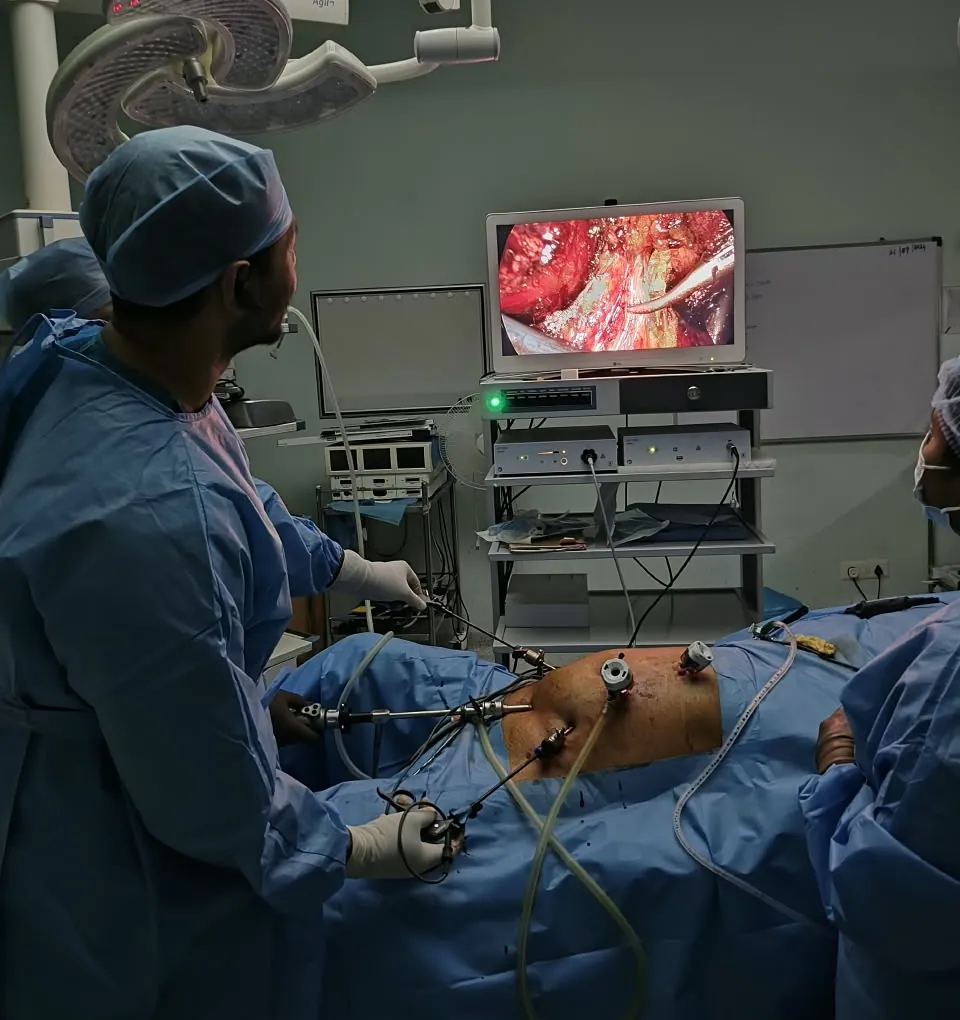
Both operations are done under general anaesthesia, by laparoscopy. Instead of one large cut, the surgeon makes five or six small incisions in the abdomen for a camera and fine instruments. The operation usually takes about one and a half to three hours, depending on the procedure and your build.
You are helped to sit up and walk on the same day or the next morning, which lowers the risk of blood clots. Sips of water start early, and if all is well most patients go home after about two to three days. The exact stay depends on your recovery and any other health conditions.
Recovery and life after surgery
The first weeks are about letting the stomach heal and building new eating habits. The diet moves in stages, roughly like this:
| Time | Diet | Activity |
|---|---|---|
| Weeks 1–2 | Clear, then full liquids, in small sips through the day | Short walks several times a day |
| Weeks 3–4 | Pureed and soft food, protein first | Many return to desk work |
| Week 5 onwards | Normal textures, small portions, eaten slowly | Exercise and lifting built up as advised |
After surgery you will need vitamin and mineral supplements for life, usually a multivitamin with iron, calcium, vitamin D and vitamin B12. Regular blood tests, every few months at first and then yearly, catch deficiencies early. Women are generally advised to avoid pregnancy for 12–18 months after surgery.
Most of the weight loss happens over the first 12–18 months. Type 2 diabetes, blood pressure and sleep apnoea often improve, and some patients can reduce or stop medicines under their physician's guidance, but results vary from person to person. Weight can creep back if old habits return, which is why follow-up with the dietitian and the team is lifelong.
Risks, honestly
Bariatric surgery is major surgery, and the risks are real, although serious complications are uncommon in carefully selected and well-prepared patients. They include:
- A leak from the staple line or a join, which may need further treatment or another operation
- Bleeding and infection
- Blood clots in the legs or lungs
- Acid reflux, especially after a sleeve gastrectomy
- Vitamin and mineral deficiencies, and anaemia, if supplements are missed
- Gallstones during rapid weight loss
- After a bypass: dumping (faintness or loose motions after sugary food), ulcers and internal hernia
- Weight regain, and occasionally the need for a second operation
These risks are reduced by a thorough work-up, the pre-operative diet, early walking, blood-thinning injections and compression stockings where advised, lifelong supplements and keeping every follow-up appointment. Dr. Sanjit will go through the risks that apply to you personally before you decide. Rapid weight loss can bring on gallbladder stones, which are covered on the gallbladder stone surgery page.
Cost of bariatric surgery in Bangalore
The cost depends mainly on the operation chosen, the hospital and room category, the number of days in hospital, the stapling devices used, and the tests and specialist consultations in the work-up. Health insurance cover for obesity surgery varies by policy and often comes with specific conditions, so check with your insurer before planning. For an estimate based on your own case, book a consultation.
Why patients from Sarjapur Road, HSR and Bellandur see Dr. Sanjit
Bariatric and metabolic surgery is a newer part of Dr. Sanjit's practice. It builds on about 18 years of laparoscopic surgery, including gallbladder and hernia operations, and on his training: an MS in General Surgery and the MRCS from the Royal College of Surgeons of Edinburgh.
He will tell you plainly at the first visit whether surgery looks suitable, what the alternatives are, and who else will be involved in your care. Consultations are on Sarjapur Main Road, Monday to Saturday: 10 am to 5 pm at SPARSH Hospital, Carmelaram, and 5 pm to 8 pm at the evening clinic in Doddakannelli, a short drive from HSR Layout and Bellandur.
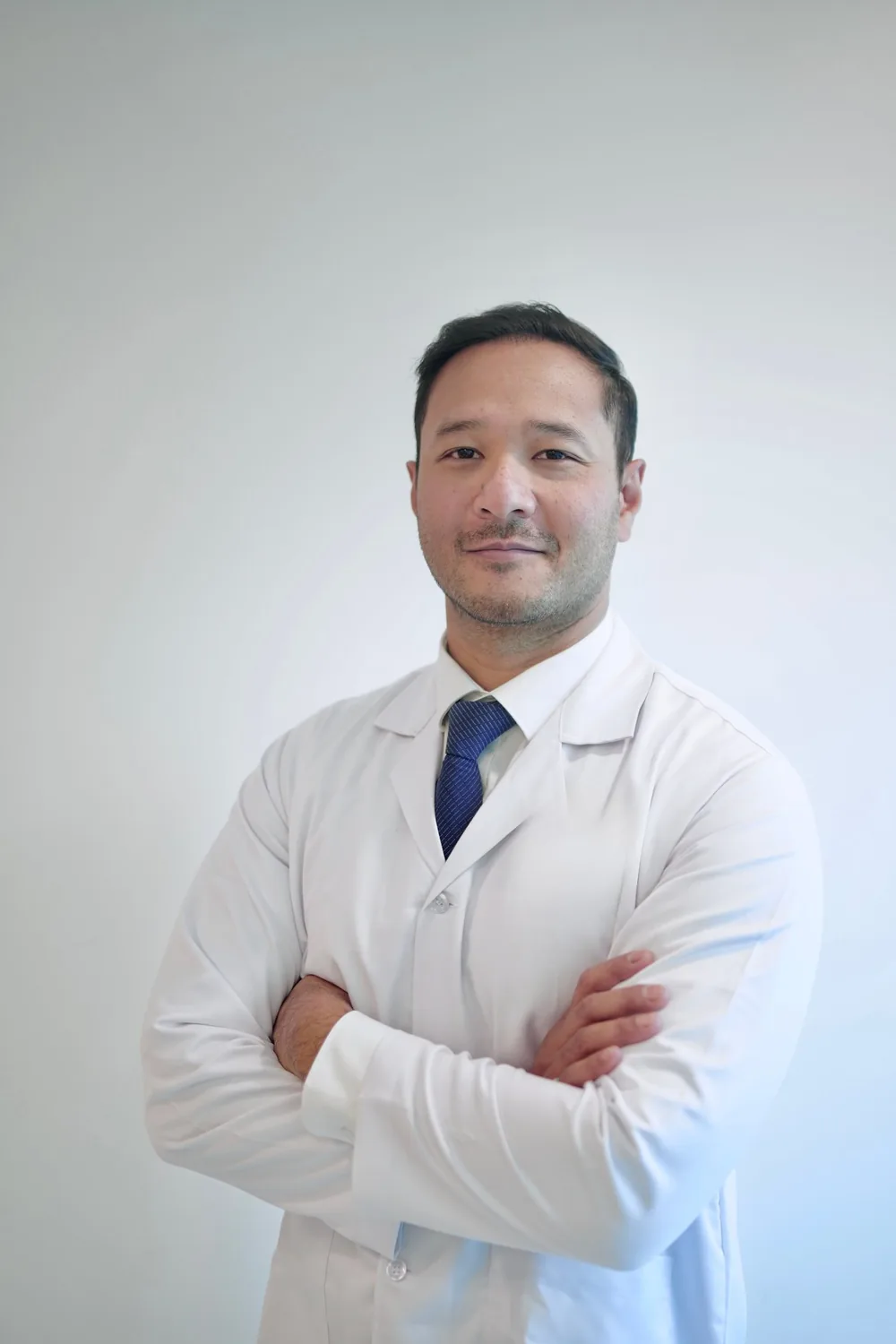
MBBS, MS (General Surgery), MRCS (Edinburgh). General and Minimal Access Surgeon with about 18 years in general, laparoscopic and laser surgery. Consults at SPARSH Hospital, Sarjapur Road (10 am – 5 pm) and his evening clinic in Doddakannelli (5 – 8 pm). KMC Reg. No. 96096. More about Dr. Sanjit