


What are piles?
Piles (haemorrhoids) are swollen cushions of blood vessels in the anal canal. Everyone has these cushions; they become "piles" when they enlarge, bleed or slip down. Straining, long hours on the toilet, constipation, pregnancy, heavy lifting and long periods of sitting all add pressure.
In Bangalore we often see them in people with desk jobs on the Outer Ring Road, long commutes, low-fibre meals and too little water.
Common symptoms
- Bright red blood on the tissue, on the stool or dripping into the pan after passing stool
- A soft lump that comes out during a motion and goes back, or has to be pushed back
- Itching, mucus discharge, or a feeling that the bowel has not emptied fully
- Sudden severe pain with a hard bluish lump at the edge of the anus (a clotted, or thrombosed, external pile)
The four grades
Internal piles are graded by how far they come down. Grade 1 bleed but do not come out. Grade 2 come out on straining and go back by themselves. Grade 3 come out and need to be pushed back with a finger. Grade 4 stay outside and cannot be pushed back. The grade guides the treatment.
When to see a surgeon
Do not assume that all bleeding from the back passage is piles. The same symptom can come from an anal fissure, a polyp, inflammation of the bowel or, less commonly, bowel cancer. A short examination settles the question, and our guide on piles vs fissure vs fistula explains the differences.
See a surgeon if you have bleeding that keeps coming back, a lump that does not go back, pain that stops you sitting, or piles that have not improved after four to six weeks of proper diet changes.
Diagnosis: what happens at the consultation
Dr. Sanjit Gogoi starts with your story: how long, how much bleeding, your bowel habits, diet, medicines and family history. He explains each step of the examination before he does it.
- Inspection and a gentle finger examination to check for external piles, fissures, skin tags or any lump.
- Proctoscopy: a short, lubricated tube that lets him see the internal piles and grade them. It takes a minute or two and is usually done at the first visit.
- Colonoscopy, when indicated: for people with warning signs, those in older age groups, or with a family history of bowel cancer, a look at the whole large bowel is advised before or alongside piles treatment.
Most patients do not need a scan for piles.
Treatment options for piles
There is no single "piles operation". The right step depends on the grade, your symptoms and your general health, and the plan is always decided with you at the consultation.
1. Diet, fibre and simple care (first step for almost everyone)
Aim for about 25 to 30 grams of fibre a day (whole grains, dal, vegetables, fruit, and an isabgol or psyllium supplement if needed), 2 to 3 litres of water, and no straining or phone scrolling on the toilet. Warm sitz baths for 10 to 15 minutes ease swelling and spasm. Short courses of ointments and tablets can calm a flare. Many grade 1 and 2 piles settle with this alone.
2. Rubber band ligation (clinic procedure)
For grade 1 to 2 piles, and some grade 3, a small rubber band is placed at the base of the pile through the proctoscope. The pile shrinks and falls off in about a week. It needs no anaesthesia because the band sits above the sensitive skin, though a dull ache for a day or two is common. Two or three sessions a few weeks apart may be needed.
3. Laser haemorrhoidoplasty
For selected grade 2 and 3 piles, a thin laser fibre is passed into the pile to shrink it from inside, with no cutting of the anal skin. For many patients this means usually less pain than conventional surgery and an earlier return to work. It is less suitable for very large grade 4 piles or piles with a big external component.
4. Stapler haemorrhoidopexy
For grade 3 piles that prolapse all the way round, a circular stapler lifts the cushions back into place and cuts off part of their blood supply. Recovery is often quicker than open surgery, though studies report a somewhat higher chance of the piles coming back over time.
5. Open haemorrhoidectomy
For large grade 4 piles, piles with large external skin components, or piles that have returned after other treatment, removing the piles is still the most dependable option. It has the lowest risk of recurrence of all the methods but the most discomfort afterwards, which is managed with a clear pain plan.
A sudden, very painful clotted external pile is handled differently: if seen within the first two to three days it can sometimes be removed under local anaesthesia; after that it usually settles on its own with care.
How the procedure is done
Banding is done in the clinic in a few minutes, and you walk out afterwards. For laser, stapler or open surgery, the steps are:
- Preparation: routine blood tests, a fitness check, and a simple enema or bowel preparation on the morning of surgery.
- Anaesthesia: usually spinal anaesthesia (numbing from the waist down) or a short general anaesthetic, decided with the anaesthetist.
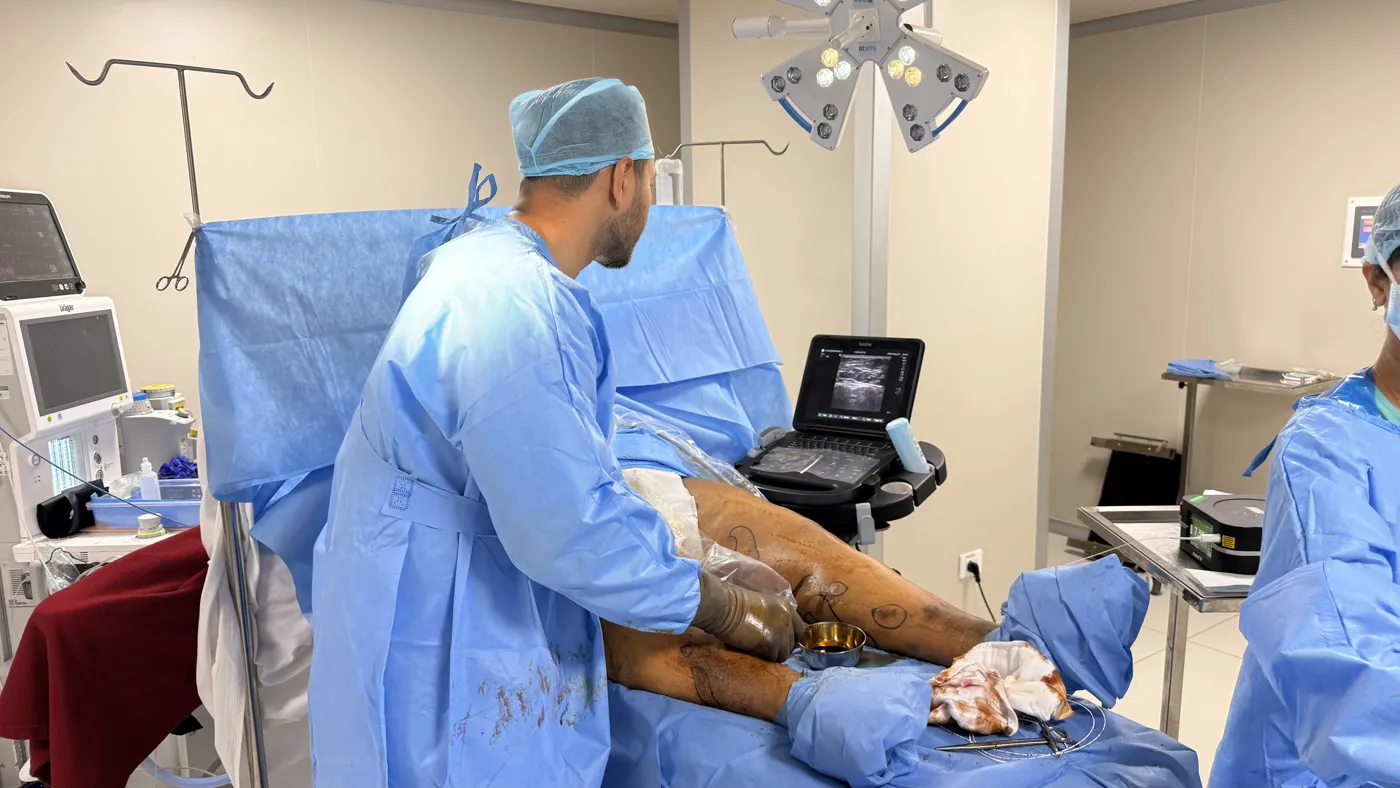
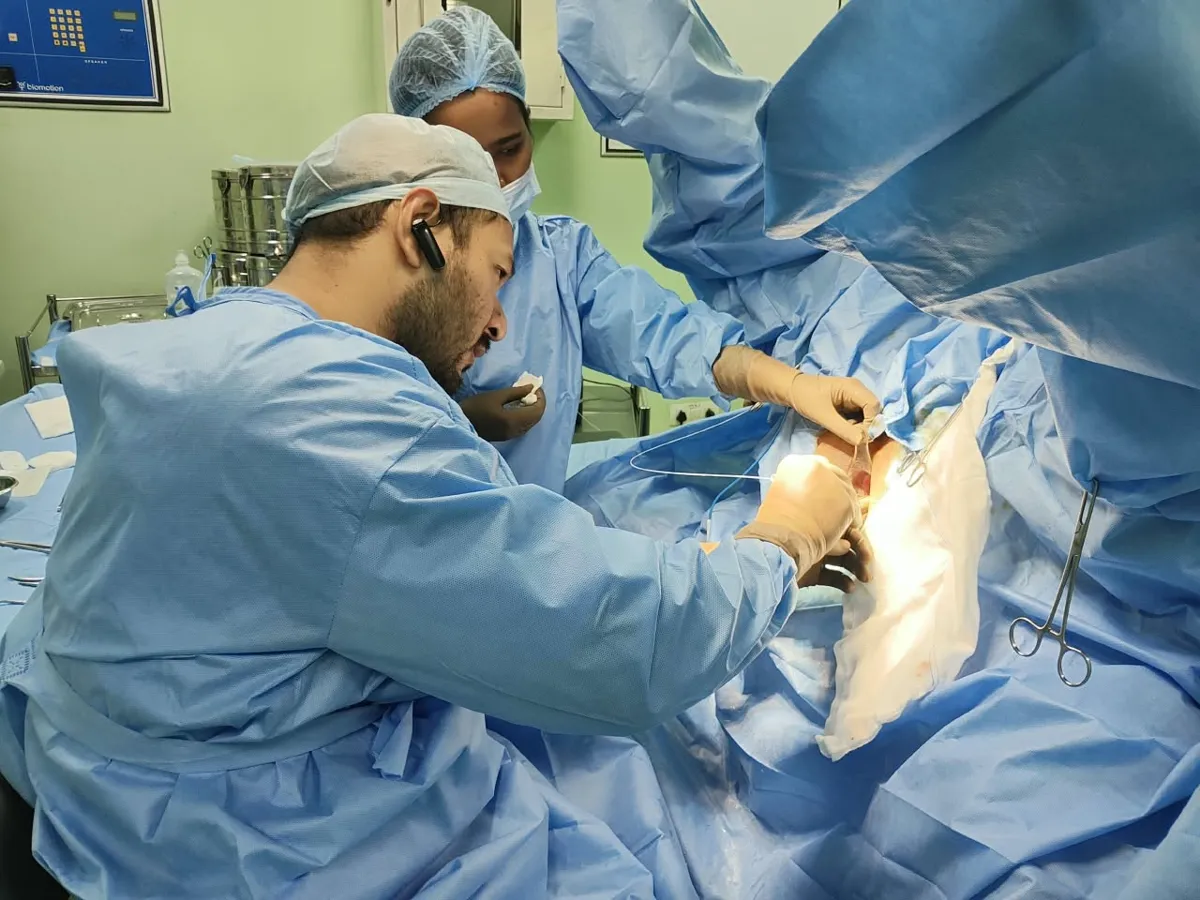
- The procedure: laser and stapler procedures usually take 20 to 40 minutes; open haemorrhoidectomy around 30 to 45 minutes. A local anaesthetic block is often added for comfort afterwards.
- Going home: many patients go home the same day or the next morning, once they are passing urine comfortably and pain is controlled. This depends on the procedure and your health.
Recovery: what to expect
Recovery depends a lot on which procedure you have. These are general timelines; your own plan is written down for you at discharge.
| Procedure | Desk work | Usual healing |
|---|---|---|
| Rubber band ligation | Next day, usually | About 1 to 2 weeks |
| Laser haemorrhoidoplasty | Usually 2 to 5 days | About 2 to 4 weeks |
| Stapler haemorrhoidopexy | Usually 5 to 7 days | About 3 to 4 weeks |
| Open haemorrhoidectomy | Usually 2 to 3 weeks | About 4 to 6 weeks |
The first motion after surgery is the one most people worry about. Stool softeners, fibre, water, pain tablets and sitz baths two to three times a day make it much easier. Some spotting of blood for a few days is normal. Two-wheeler riding and the gym usually wait for one to three weeks, depending on the procedure.
The long-term part matters as much as the procedure: keep up the fibre and water, and do not strain. Piles can return if the habits that caused them return.
Risks and how they are reduced
Piles procedures are common and generally safe, but every procedure has risks, and Dr. Sanjit will go through them with you.
- Pain: most with open surgery, less for many patients after laser or banding. A planned mix of tablets, local block and sitz baths keeps it manageable.
- Bleeding: some spotting is expected; heavier bleeding, often around 7 to 10 days when a scab separates, is uncommon and needs a call to the team.
- Difficulty passing urine after spinal anaesthesia, usually short-lived.
- Recurrence: possible after any method, more likely after banding and stapler than after open surgery, and lower when fibre habits continue.
- Uncommon problems such as infection, narrowing of the anus or minor control problems with gas. Careful technique and preserving healthy skin bridges help reduce these.
Cost of piles treatment in Bangalore
Cost depends mainly on the procedure (banding, laser, stapler or open), the hospital and room category, the length of stay and the tests you need. Laser and stapler procedures cost more because of the fibre or stapling device. Indicative 2026 ranges, what packages include and how insurance works are on our piles surgery cost in Bangalore page. For an estimate for your case, book a consultation.
Why patients from Sarjapur Road, HSR and Bellandur see Dr. Sanjit
Dr. Sanjit is a General and Minimal Access Surgeon with an MS in General Surgery and the MRCS from the Royal College of Surgeons of Edinburgh. Over about 18 years he has performed more than 6,000 open, keyhole and laser procedures, and laser proctology (piles, fistula and pilonidal sinus) is a regular part of his work.
He will tell you honestly if your piles can be managed without surgery, and he explains the options in plain words so you can decide calmly. After a procedure, patients keep a direct line for questions while they heal. More on his background is on the about page.
He consults and operates at SPARSH Hospital, Sarjapur Road (Carmelaram) from 10 am to 5 pm, and sees patients at the evening clinic in Doddakannelli (3rd Floor, SGR-2, Sarjapur Main Road) from 5 pm to 8 pm, Monday to Saturday, by appointment. For families in Sarjapur Road, HSR Layout and Bellandur, that is a short drive (roughly 20 minutes from Bellandur and 25 from HSR Layout, traffic permitting), with an evening slot after work if you need one.
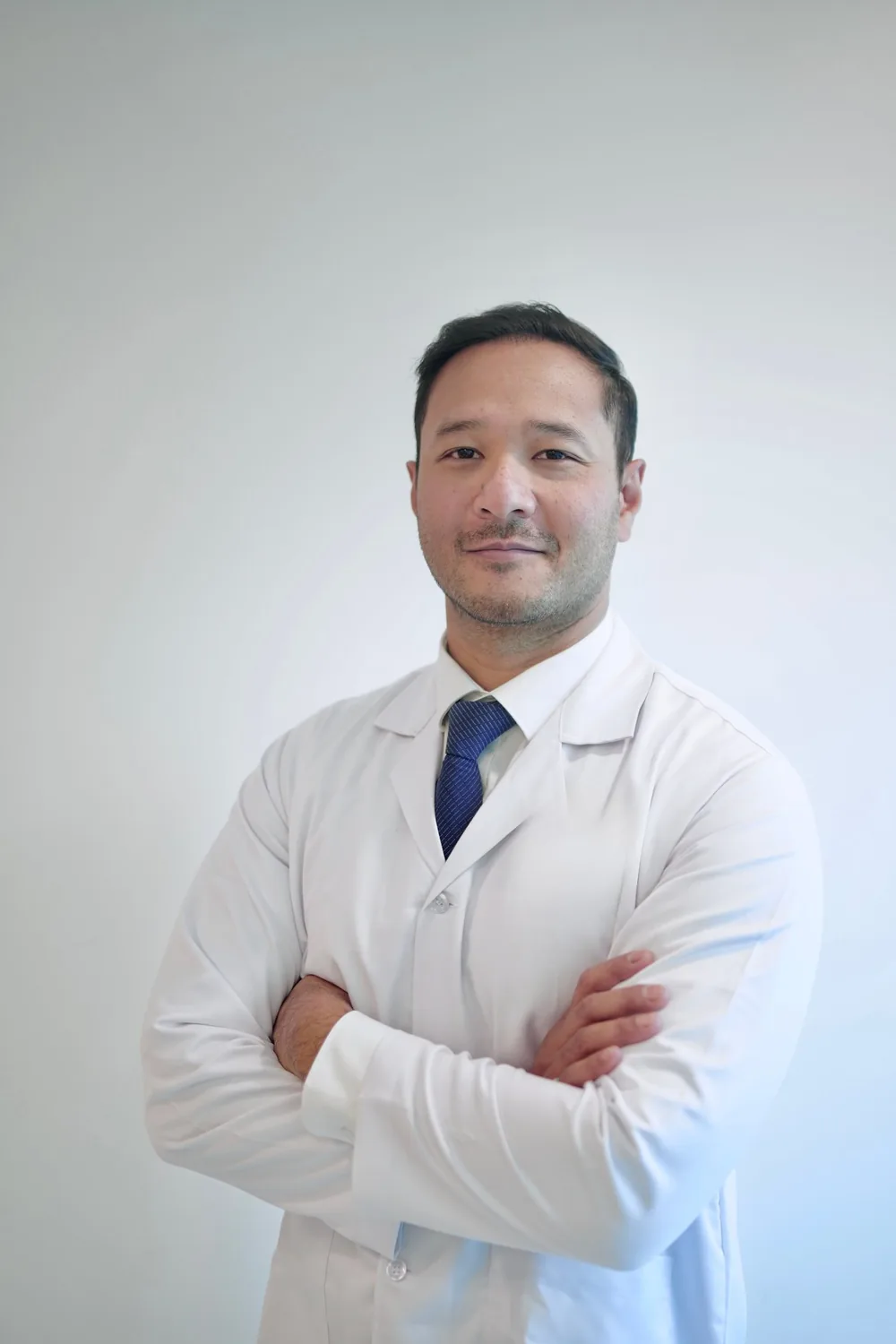
MBBS, MS (General Surgery), MRCS (Edinburgh). General and Minimal Access Surgeon with about 18 years in general, laparoscopic and laser surgery. Consults at SPARSH Hospital, Sarjapur Road (10 am – 5 pm) and his evening clinic in Doddakannelli (5 – 8 pm). KMC Reg. No. 96096. More about Dr. Sanjit