


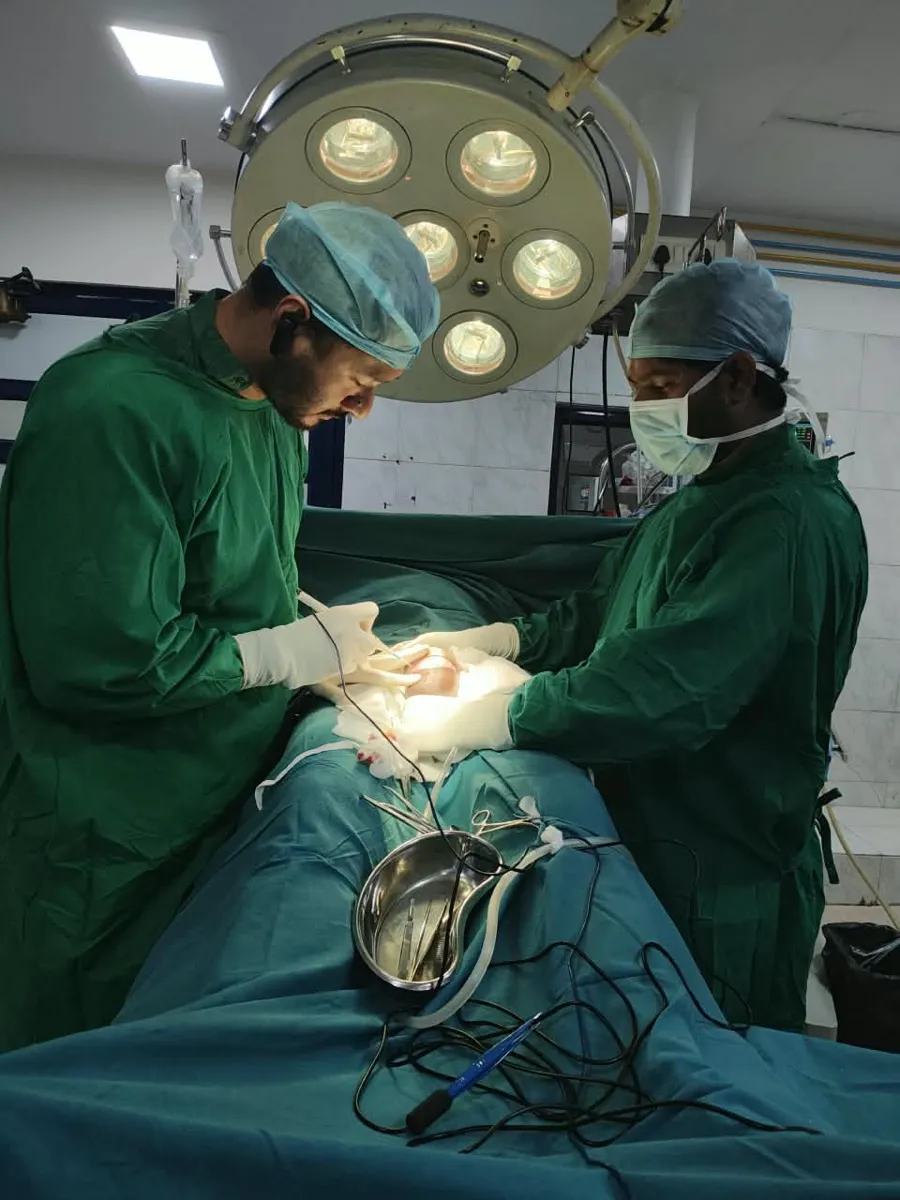

What is a hydrocele?
A hydrocele is a collection of fluid in the thin sac (tunica vaginalis) that surrounds the testis. It causes a smooth swelling on one or both sides of the scrotum. In adults it usually develops slowly over months or years and often has no clear cause.
Sometimes a hydrocele follows an infection or inflammation of the testis or epididymis, an injury, or earlier surgery in the groin. In some parts of India, filarial infection is also a cause. Rarely, fluid forms in reaction to a problem in the testis itself, including a tumour, which is why every adult hydrocele is checked with an ultrasound.
Common symptoms
- A smooth swelling of the scrotum that gradually gets bigger and usually does not hurt
- A dragging, heavy feeling, worse by evening or after standing for long
- Discomfort while walking, sitting, riding a two-wheeler or wearing fitted clothes
- Embarrassment about the size or appearance
Hydrocele or hernia?
Both cause swelling in the scrotum, and they are often confused. A hydrocele sits around the testis, does not usually change size when you lie down or cough, and the surgeon can feel a normal cord above it. An inguinal hernia comes down from the groin, often goes back in when you lie down, bulges on coughing, and the swelling cannot be separated from the groin.
The difference matters because a hernia is repaired from the groin, usually by laparoscopic surgery, while a hydrocele is treated through the scrotum. Some men have both, which an ultrasound will show. Our hernia surgery page explains hernia treatment in more detail.
When do you need surgery?
A small hydrocele that causes no discomfort does not have to be operated on. It can be watched, and many men live with a small one for years.
Surgery is usually advised when the hydrocele is large, growing, uncomfortable, affects walking, sitting or work, or bothers you by its appearance. Very large, long-standing hydroceles are easier to treat before they become huge, and surgery is planned for when it suits you.
Diagnosis: what happens at the consultation
Dr. Sanjit Gogoi asks about how long the swelling has been there, any pain, past infections, injuries or groin surgery. He examines you lying and standing, checks whether he can get above the swelling, and shines a light through it (fluid lets light pass through).
A scrotal ultrasound is advised for every adult hydrocele. When the sac is tense with fluid, the testis cannot be felt properly, and the scan confirms that the testis and epididymis are normal, rules out a tumour or infection, and checks for a hernia alongside. He walks you through the scan report in plain words before discussing treatment.
Treatment options for hydrocele
Watchful waiting
Reasonable for small hydroceles that cause no trouble, once the ultrasound is normal. Supportive underwear can ease the heavy feeling.
Aspiration (draining with a needle)
The fluid can be drawn out with a needle, but it nearly always fills again within weeks to months, and each attempt carries a small risk of infection or bleeding. Aspiration, sometimes combined with injecting a sclerosing agent, is kept for men who are not fit for surgery.
Hydrocelectomy (the standard treatment)
Surgery removes or folds the sac so that fluid cannot collect again. It is the most reliable treatment, with a low chance of recurrence in most studies. Medicines do not make a hydrocele go away; when it follows an active infection, the infection is treated first and the swelling is reassessed.
How hydrocelectomy is done
- Before: routine blood tests, a fitness check, and fasting for six hours or so before anaesthesia.
- Anaesthesia: usually spinal anaesthesia (numbing from the waist down) or general anaesthesia, decided with the anaesthetist.
- Incision: a small cut is made on the scrotum, along the natural skin crease where possible.
- Dealing with the sac: the fluid is drained. For larger, thick-walled sacs, the excess sac is removed and the edges are turned back behind the testis (Jaboulay procedure). For thin-walled sacs, the sac is gathered and stitched in folds without much dissection (Lord's procedure), which tends to cause less swelling.
- Closure: careful control of bleeding, dissolvable stitches, and sometimes a small drain for a day. A firm scrotal support is applied.
The operation usually takes 30 to 60 minutes. Many men go home the same day or the next morning, depending on the size of the hydrocele and their health.
Recovery: what to expect
| Time | What to expect |
|---|---|
| First 2 to 3 days | Swelling and bruising of the scrotum; rest, ice packs wrapped in cloth, pain tablets |
| Days 3 to 7 | Short walks; showering as advised; desk work for most men around one week |
| Weeks 2 to 4 | Swelling settles steadily; avoid heavy lifting, cycling and two-wheeler riding |
| Weeks 4 to 6 | Return to the gym, sport and heavier work for most men |
Wear close-fitting briefs or a scrotal support day and night for the first two weeks; it reduces swelling and discomfort a great deal. Some firmness and swelling can take several weeks to settle fully, especially after a very large hydrocele. Sexual activity can usually resume after two to three weeks, when comfortable.
Risks and how they are reduced
- Bleeding into the scrotum (haematoma): the most common significant problem. Careful control of bleeding, a support and rest in the first days reduce it.
- Infection of the wound: uncommon, treated with dressings and antibiotics.
- Prolonged swelling or a lump of scar tissue that settles over weeks.
- Recurrence: low after hydrocelectomy in most studies.
- Rare: injury to the testis, its blood supply or the vas deferens, or chronic discomfort. Gentle technique and limited dissection, particularly with Lord's procedure where suitable, reduce these.
Cost, and why patients from Sarjapur Road, HSR and Bellandur see Dr. Sanjit
The cost of hydrocele surgery depends on the size of the hydrocele, whether one or both sides are done, the type of anaesthesia, the length of stay and the hospital and room category. Most health insurance policies cover hydrocelectomy, though it is often listed with a waiting period. For an estimate, book a consultation and bring your ultrasound report if you have one.
Dr. Sanjit holds an MS in General Surgery and the MRCS from the Royal College of Surgeons of Edinburgh, with about 18 years and more than 6,000 open, keyhole and laser procedures. Hydrocele surgery is a routine part of his work alongside lump removal and hernia repair. He takes time to explain a problem many men find awkward to talk about, and patients keep a direct line for questions while they heal.
He consults and operates at SPARSH Hospital, Sarjapur Road (Carmelaram) from 10 am to 5 pm, and sees patients at the evening clinic in Doddakannelli (3rd Floor, SGR-2, Sarjapur Main Road) from 5 pm to 8 pm, Monday to Saturday, by appointment. For families in Sarjapur Road, HSR Layout and Bellandur, that is a short drive (roughly 20 minutes from Bellandur and 25 from HSR Layout, traffic permitting), with an evening slot after work if you need one.
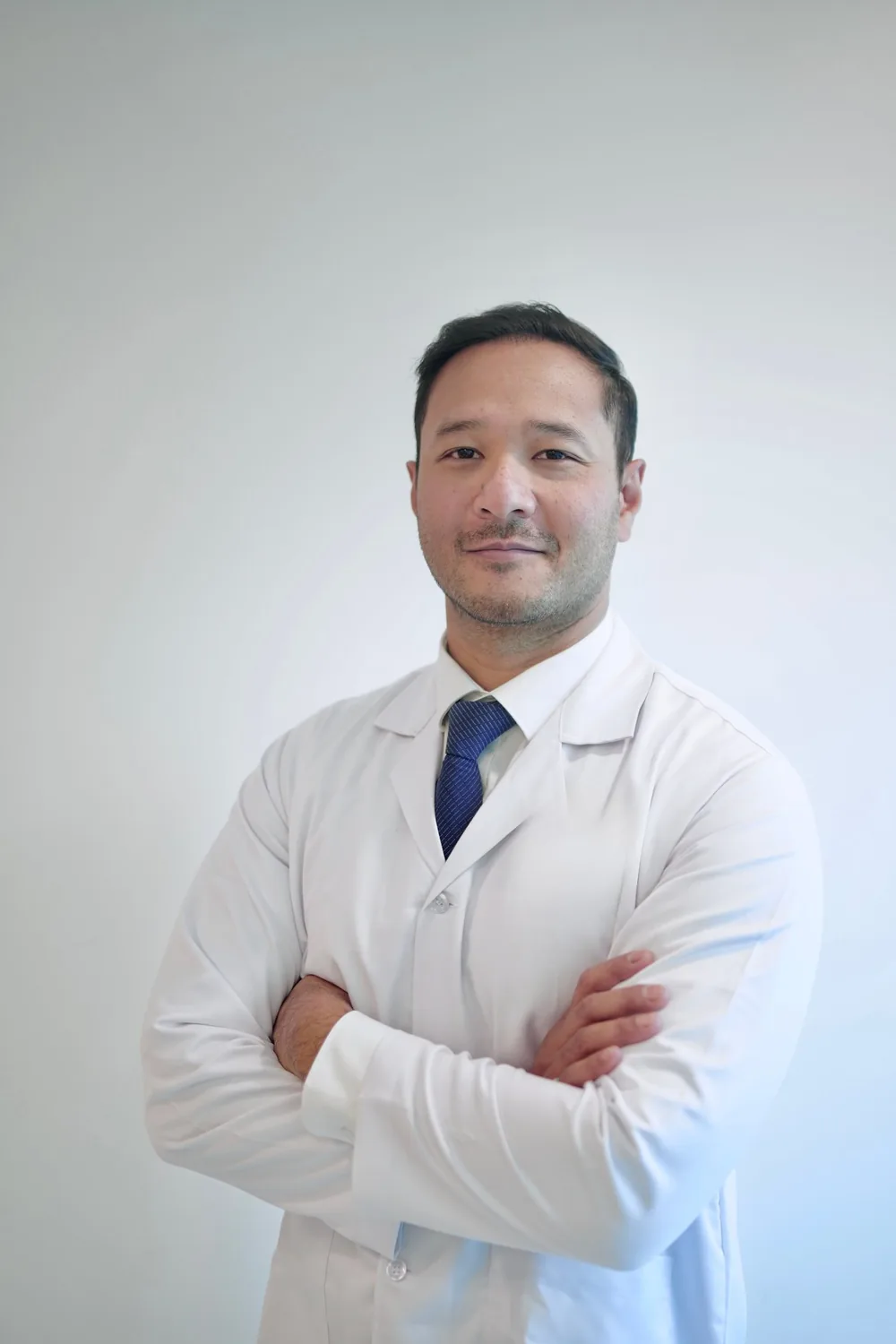
MBBS, MS (General Surgery), MRCS (Edinburgh). General and Minimal Access Surgeon with about 18 years in general, laparoscopic and laser surgery. Consults at SPARSH Hospital, Sarjapur Road (10 am – 5 pm) and his evening clinic in Doddakannelli (5 – 8 pm). KMC Reg. No. 96096. More about Dr. Sanjit