


What hernia surgery costs in Bangalore
Most patients and families want a number before anything else, so here it is. The table below shows typical total hospital bills for hernia surgery in Bangalore in 2026, including the surgeon, anaesthesia, theatre, mesh and a standard stay.
| Type of repair | Indicative range |
|---|---|
| Open mesh repair (inguinal or small umbilical) | ₹45,000–₹90,000 |
| Laparoscopic inguinal repair, one side | ₹75,000–₹1,60,000 |
| Laparoscopic inguinal repair, both sides | ₹1,00,000–₹2,00,000 |
| Laparoscopic umbilical or incisional repair | ₹90,000–₹2,50,000, depending on defect size and mesh |
| Recurrent or complex hernia repair | ₹1,20,000–₹3,00,000 |
These figures are indicative, 2026, and vary by hospital, room category and case. They are not a quote and not Dr. Sanjit Gogoi's fee. Your actual estimate comes from the hospital billing desk once the type of repair is decided. To understand the operations themselves, see hernia surgery in Bangalore.
Why such a wide range? The same operation can be billed very differently depending on the hospital, the room you choose, the mesh and fixation used, and how long you stay. A small groin hernia in a healthy 35-year-old and a large recurrent hernia in a diabetic 65-year-old are very different operations, even if both are called hernia repair.
What is included in a hernia surgery package
Hospitals usually quote hernia surgery as a package. A typical package includes:
- surgeon's and anaesthetist's fees
- operation theatre charges and standard consumables
- the mesh (check this; with some hospitals it is billed separately)
- the hospital room for the planned stay, nursing and routine medicines during the stay
Usually not included:
- consultation fees before surgery
- pre-operative tests and scans
- extra days in hospital beyond the package, or an upgraded room
- medicines and dressings after discharge, an abdominal binder
- treatment of any unexpected complication
Always ask for an itemised written estimate so you can see exactly what is covered.
Factors that change the cost
Type of mesh
This is one of the biggest cost drivers. A standard polypropylene mesh, used for most groin repairs, is relatively inexpensive. Lightweight large-pore meshes cost more. Coated composite meshes, which are needed when mesh sits inside the abdomen as in laparoscopic IPOM repair for umbilical and incisional hernias, cost several times more, and larger defects need larger meshes.
Fixation
How the mesh is held in place also matters. Some repairs need no fixation, some use stitches, and others use tacking devices or tissue glue, which add to the bill.
Length of stay
Many groin and small umbilical repairs are day care or a one-night stay. Larger incisional and recurrent repairs may need two or three nights, and each extra night adds room, nursing and medicine charges.
Approach and number of sides
Laparoscopic surgery uses specialised instruments and longer theatre time, so it costs more than open repair. Repairing both sides laparoscopically costs more than one side, but much less than two separate operations.
Hospital and room category
A general ward, twin-sharing or private room changes the bill, and in many hospitals the room category also changes the surgeon and theatre charges.
Complexity and your health
Large incisional, recurrent and emergency hernias take longer and may need a longer stay. Diabetes, heart or lung conditions may need extra tests, a physician review or closer monitoring.
Tests before surgery and their approximate cost
Before a planned hernia repair, you will usually need:
- blood count, blood sugar (and HbA1c if diabetic), kidney and liver function, clotting tests
- infection screening (HIV, hepatitis B and C) and a urine test
- an ECG, and a chest X-ray depending on age and health
- an ultrasound of the abdominal wall if the diagnosis needs confirming
Together these typically cost around ₹3,000–₹8,000 in Bangalore. A CT scan, which is usually advised for incisional and recurrent hernias, is charged separately. If you have had recent tests elsewhere, bring the reports; some may not need repeating.
Insurance and cashless treatment
Most health insurance policies in India cover medically necessary hernia surgery, including laparoscopic repair. A few points are worth checking before you plan a date:
- Waiting period: many policies have a waiting period for named conditions such as hernia, piles and gallbladder stones, often 1–2 years from the start of the policy. Check your policy document.
- Room rent limits: if your policy caps room rent and you choose a higher room category, some insurers reduce other parts of the claim proportionately.
- Cashless approval: for planned surgery, the hospital's TPA (insurance) desk sends a pre-authorisation request with the surgeon's notes. Approval is decided by the insurer.
- Co-payment and exclusions: some policies have a co-pay or do not cover items such as the binder or certain consumables.
The TPA desk at the hospital can help you understand what your policy will pay. Corporate policies from many Bangalore employers often have different terms from individual ones, so check with your HR team too.
Keep copies of your consultation notes, scan reports and the hospital estimate. Insurers often ask for them, both for cashless approval and for reimbursement claims.
Laparoscopic vs open: is the extra cost worth it?
Laparoscopic repair costs more, mainly because of instruments, theatre time and, for umbilical and incisional hernias, the coated mesh. What you get for that is usually less pain in the first weeks, an earlier return to work, and the ability to repair both sides through the same three small cuts.
Dr. Sanjit's honest view: for a working adult, especially with hernias on both sides, a recurrence after open surgery, or a groin hernia in a woman, laparoscopic repair is usually worth the extra cost, because one or two extra weeks off work often costs more than the difference. For an older person with a single first-time groin hernia, or someone better suited to spinal or local anaesthesia, open mesh repair gives good results at a lower cost and is a perfectly sound choice.
If cost is a concern, say so at the consultation. Dr. Sanjit will tell you honestly whether open repair is a safe option for your hernia, so the decision rests on your medical situation and not on the package price alone.
The detailed pros and cons for each type are on the inguinal, umbilical, incisional and recurrent hernia pages.
How to get an exact estimate
- Send your scan or report on WhatsApp to +91 99160 26256, with a short note on your symptoms. The team will tell you which consultation you need.
- Consultation: Dr. Sanjit examines you, explains the scan and recommends a type of repair, with the reasons.
- Written estimate: the hospital billing desk prepares an itemised estimate for that repair, your room category and your insurance.
Bring your scan reports, any previous operation notes, your list of medicines and your insurance card or policy number to the consultation. That way the estimate can be prepared quickly and accurately.
Dr. Sanjit consults and operates at SPARSH Hospital, Sarjapur Road, from 10 am to 5 pm, and sees patients at his evening clinic in Doddakannelli from 5 pm to 8 pm, Monday to Saturday. Book a consultation.
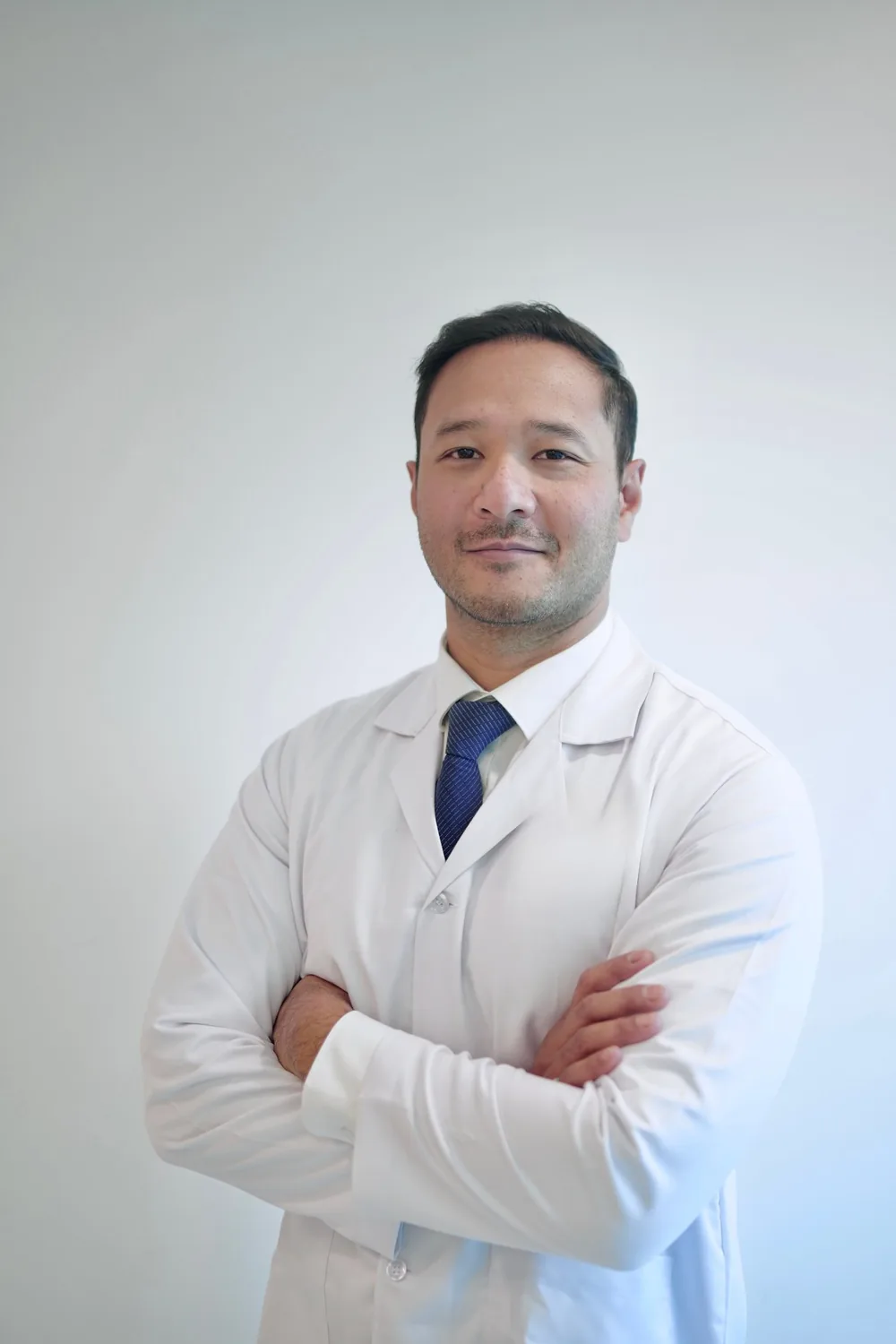
MBBS, MS (General Surgery), MRCS (Edinburgh). General and Minimal Access Surgeon with about 18 years in general, laparoscopic and laser surgery. Consults at SPARSH Hospital, Sarjapur Road (10 am – 5 pm) and his evening clinic in Doddakannelli (5 – 8 pm). KMC Reg. No. 96096. More about Dr. Sanjit