


The short answer: rarely
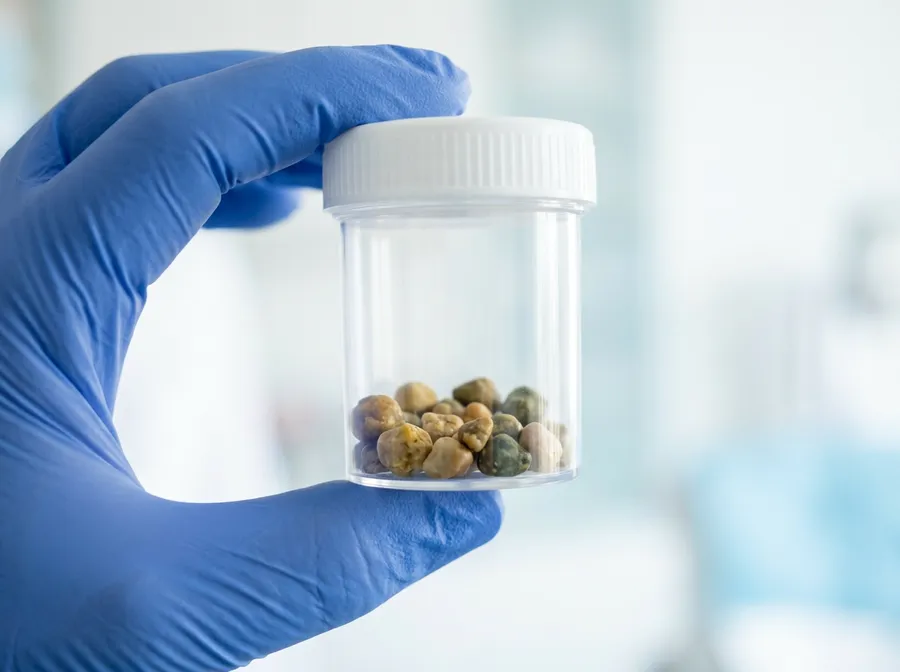
Gallbladder stones rarely go away on their own. Once they form, they usually stay in the gallbladder and often grow in size or number over the years. Very small stones can sometimes slip out of the gallbladder, but that is not the harmless exit it sounds like, as explained below.
The reassuring part is that many people with gallstones never need treatment at all. What matters most is not whether stones are there, but whether they are causing symptoms.
What gallstones are and why they form
The gallbladder is a small pouch under the liver that stores bile, a digestive fluid that helps break down fat. When bile carries too much cholesterol or bilirubin, or the gallbladder does not empty well, crystals form and slowly harden into stones. Most gallstones are made mainly of cholesterol.
Gallstones are common and are often found by chance on an ultrasound done for something else, such as a health check or a scan during pregnancy. Being female, pregnancy, being over 40, carrying extra weight, rapid weight loss (including crash diets) and a family history all raise the risk.
Can tablets dissolve gallstones?
One medicine, ursodeoxycholic acid (often called UDCA or "urso"), can dissolve some gallstones. It works only for a narrow group of patients:
- the stones are small (generally well under 1 cm) and made of cholesterol, which on scans usually means they are not calcified;
- the gallbladder is still working and its outlet, the cystic duct, is open;
- the patient can take the tablets daily for a long time, often 6 months to 2 years, with repeat scans.
Even in suitable patients, stones do not always dissolve completely. When the tablets are stopped, stones come back in a large share of people; studies report recurrence in around half of patients within about five years. For these reasons, tablets are mostly used for people who cannot have surgery or prefer to avoid it, in situations a doctor decides. They do not help pigment or calcified stones.
Silent gallstones are often just watched
If your stones were found by chance and you have never had gallbladder pain, international guidelines generally advise leaving them alone. Most people with silent gallstones never develop symptoms; studies suggest roughly 1–2 in 100 go on to have pain or complications each year.
There are some situations where surgery may be discussed even without symptoms, for example a gallbladder with a calcified wall, a gallbladder polyp of significant size, or very large stones. These are individual decisions, made after looking carefully at your scan and your overall health.
When gallstones cause symptoms
Once gallstones start causing symptoms, they tend to keep doing so. The typical pattern is biliary colic: a steady, gripping pain in the upper right or upper middle of the abdomen, often after a heavy or oily meal or at night, sometimes spreading to the right shoulder or back, and lasting from about half an hour to several hours. Nausea and vomiting are common.
Many people first put this down to gas or acidity after a biryani or a late dinner. If the pain keeps coming back, an ultrasound of the abdomen is a simple way to check.
Stones can also cause more serious problems:
- Acute cholecystitis: an inflamed, often infected gallbladder, with pain that does not settle, fever and tenderness.
- Stones in the bile duct: a small stone that slips out of the gallbladder can block the bile duct, causing jaundice (yellow eyes, dark urine, pale stools) or infection.
- Pancreatitis: a stone blocking the shared outlet of the bile duct and pancreas can trigger severe upper abdominal pain that often needs hospital admission.
This is why a stone "passing" is not good news. The smallest stones are the ones most likely to get stuck on the way out.
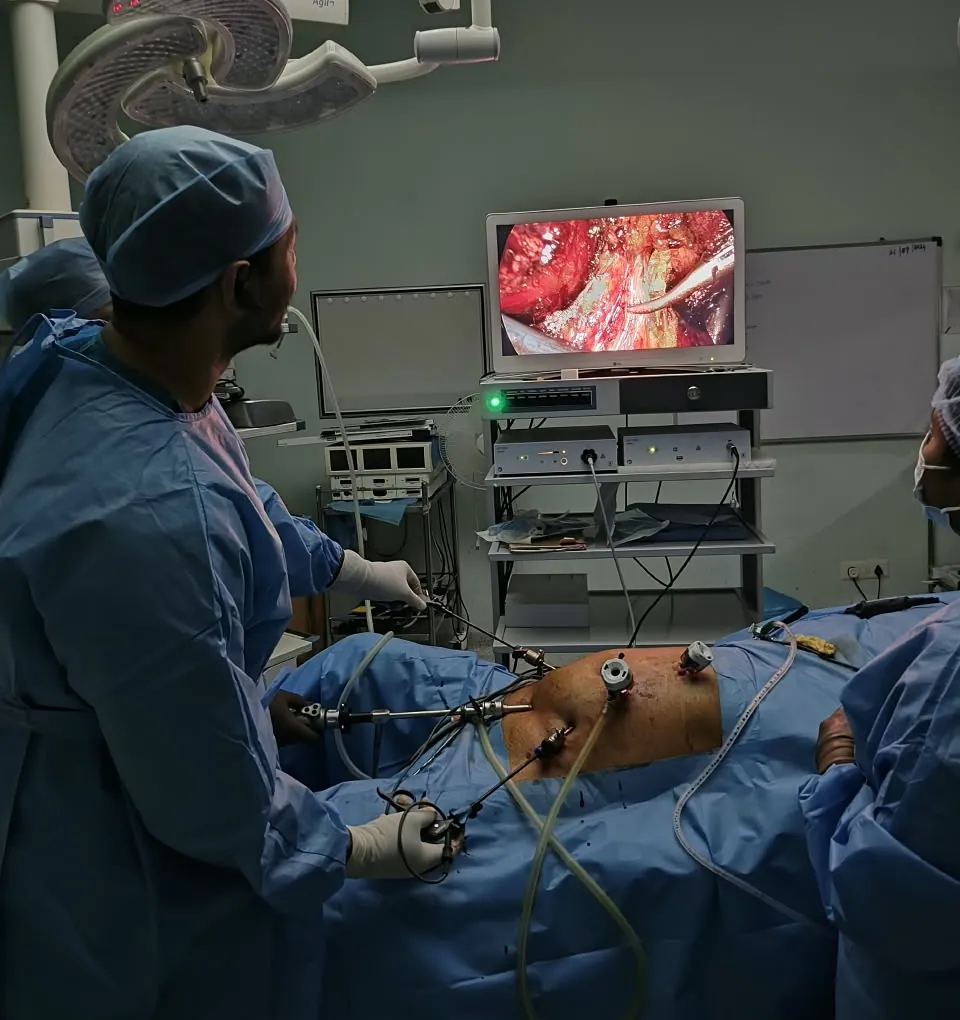
For people with symptoms, the standard treatment recommended by international guidelines is removal of the gallbladder by keyhole surgery, called laparoscopic cholecystectomy. Removing only the stones is not done, because new stones tend to form in the gallbladder left behind.
Common myths about gallstone cures
Patients often ask about remedies they have read about or been forwarded on WhatsApp. Here is what the evidence shows:
- Olive oil, lemon or apple juice "flushes". The green or brown lumps people pass after a flush are mostly soap-like clumps formed from the oil itself, not gallstones. A large dose of oil can also make the gallbladder squeeze hard and set off an attack.
- Special diets. Eating less fried and fatty food can reduce how often attacks happen, and is sensible while you wait for treatment. It does not dissolve stones that are already there.
- Herbal powders and stone-dissolving tonics. There is no reliable evidence that these remove gallstones, and the delay can allow cholecystitis or pancreatitis to develop.
- Drinking more water. Good for you, and useful for kidney stones, but it does not flush out gallstones, which sit in a different organ altogether.
Can you live normally without a gallbladder?
Yes. The liver keeps making bile, which flows directly into the intestine instead of being stored first. Most people return to a normal diet after recovery. Some notice looser stools or discomfort after very fatty meals for the first few weeks, which usually settles. After laparoscopic surgery, most people with desk jobs are back at work within 1–2 weeks, though this varies from person to person.
When to see a surgeon
Book a consultation if you have had even one episode of typical gallbladder pain, or if stones were found on a scan and you are not sure what to do next. Dr. Sanjit Gogoi is a General and Minimal Access (Laparoscopic) Surgeon with about 18 years in general and laparoscopic surgery, including complicated and inflamed gallbladders. He will go through your ultrasound with you and explain whether watching, tablets or surgery suits your situation, and what recovery would look like.
Read more about laparoscopic gallbladder stone surgery, or see the gallbladder surgery cost guide for what affects the price in Bangalore. Dr. Sanjit consults at SPARSH Hospital, Sarjapur Road by day and at his evening clinic in Doddakannelli, Monday to Saturday. Book a consultation or send your scan report on WhatsApp to +91 99160 26256.
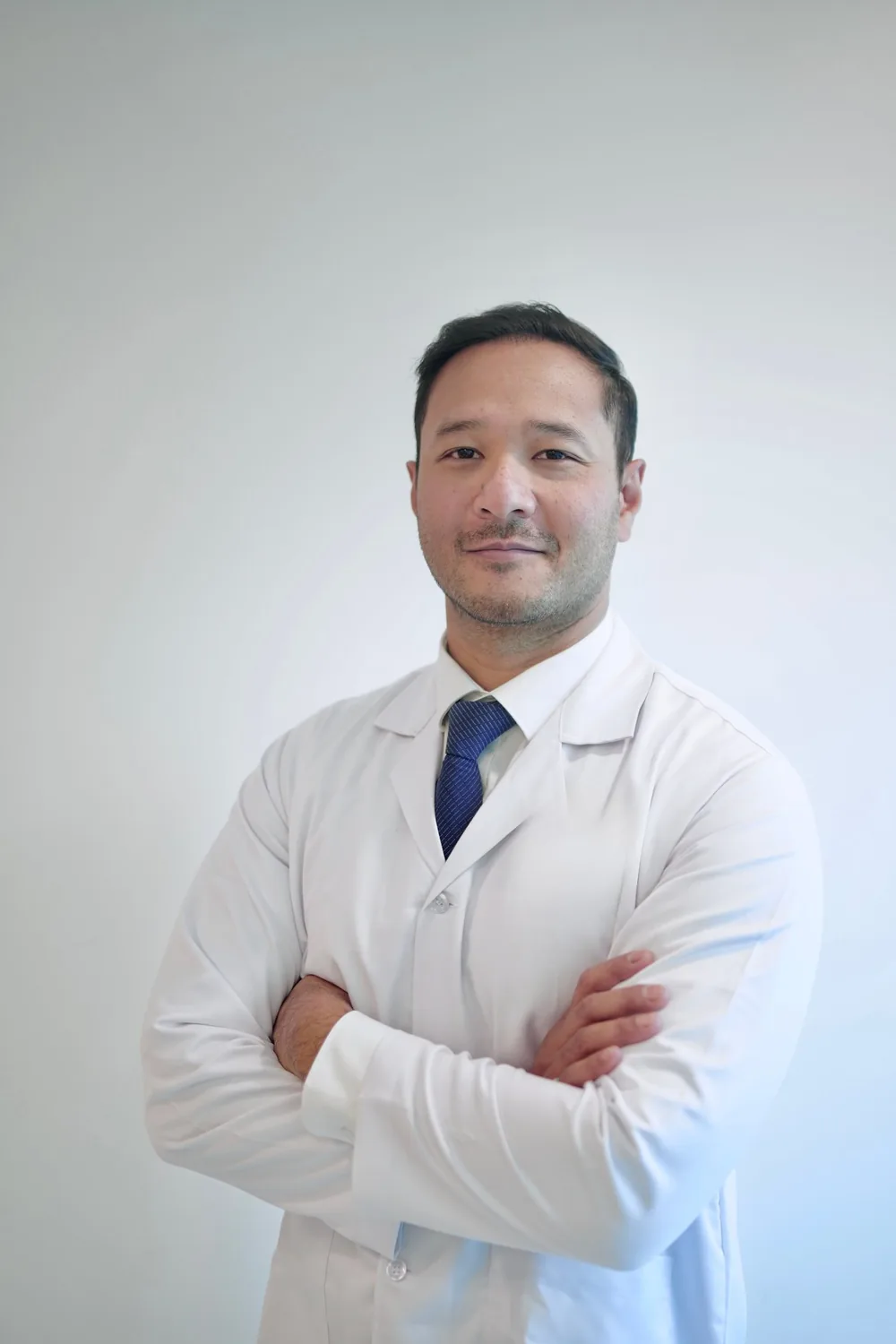
MBBS, MS (General Surgery), MRCS (Edinburgh). General and Minimal Access Surgeon with about 18 years in general, laparoscopic and laser surgery. Consults at SPARSH Hospital, Sarjapur Road (10 am – 5 pm) and his evening clinic in Doddakannelli (5 – 8 pm). KMC Reg. No. 96096. More about Dr. Sanjit