



The short answer: not in adults
No. In adults, a true hernia does not heal or close on its own. The opening in the muscle wall stays, and over months or years it usually gets slowly bigger as coughing, lifting and straining push on it.
The one common exception is the belly-button (umbilical) hernia seen in babies. Most of these close naturally as the abdominal muscles mature, usually within the first few years of life. Groin hernias in children do not close by themselves and are repaired.
So for most adults the real question is not "will it heal?" but "does it need surgery now, later, or can it be safely watched?" The answer depends on the type of hernia, your symptoms and your general health.
Why a hernia cannot close by itself
A hernia is a weak spot or gap in the tough layer (fascia) and muscle of the abdominal wall. Fat or a loop of bowel pushes through the gap and shows up as a bulge, most often in the groin (inguinal hernia), at the navel (umbilical hernia) or through an old operation scar (incisional hernia).
A cut on the skin heals by filling in with new tissue, but this gap does not. Its edges are held apart by the pressure inside your abdomen every time you stand, cough, laugh or strain on the toilet. Exercise cannot pull it shut, and no medicine or diet can rebuild the fascia.
Anything that raises pressure inside the abdomen tends to make a hernia grow faster: a long-standing cough, constipation and straining, lifting heavy loads such as gas cylinders, water cans or luggage, weight gain and, in older men, straining to pass urine because of an enlarged prostate.
Do hernia belts and trusses help?
A hernia belt or truss presses on the bulge and holds it in. Some people find it makes them more comfortable while they wait for surgery, or when surgery is not safe for them because of other illnesses.
What a belt cannot do is repair the hernia. The gap is exactly the same size when you take it off. Belts can also be hot and uncomfortable, rub the skin and slip out of place, and a badly fitted truss can press on the hernia itself. If you use one, have it fitted properly and do not treat it as a long-term answer without speaking to a surgeon.
When is watchful waiting reasonable?
Not every hernia needs an operation straight away. For a small inguinal hernia in a man that causes little or no discomfort, international guidelines accept watchful waiting as a reasonable choice. Large studies of this approach found that the risk of a sudden emergency was low, but many men went on to choose surgery within a few years because the hernia grew or began to ache.
Watchful waiting is usually not advised for:
- Women with a groin hernia. A larger share of groin hernias in women are femoral hernias, which are more likely to trap bowel, so repair is generally recommended.
- Femoral hernias in anyone, for the same reason.
- Hernias that hurt, are getting bigger, or get in the way of work, exercise or riding a two-wheeler.
- Hernias that no longer go back in when you lie down, even if they are not painful today.
- Umbilical and incisional hernias with a narrow neck, which can trap fat or bowel more easily.
If you choose to wait, it should be an informed decision made after an examination, with a clear idea of the warning signs below and a plan to have the hernia reviewed if anything changes.
Warning signs that need emergency care
A strangulated hernia is a surgical emergency. Trapped bowel can be damaged within hours, so do not wait to see whether it settles overnight, and do not try to force a hard, painful lump back in at home.
On the other hand, a dragging feeling at the end of the day, mild discomfort, or a bulge that grows when you cough and disappears when you lie down are common with an ordinary hernia. These are reasons to book a consultation, not reasons to panic.
What hernia surgery involves today
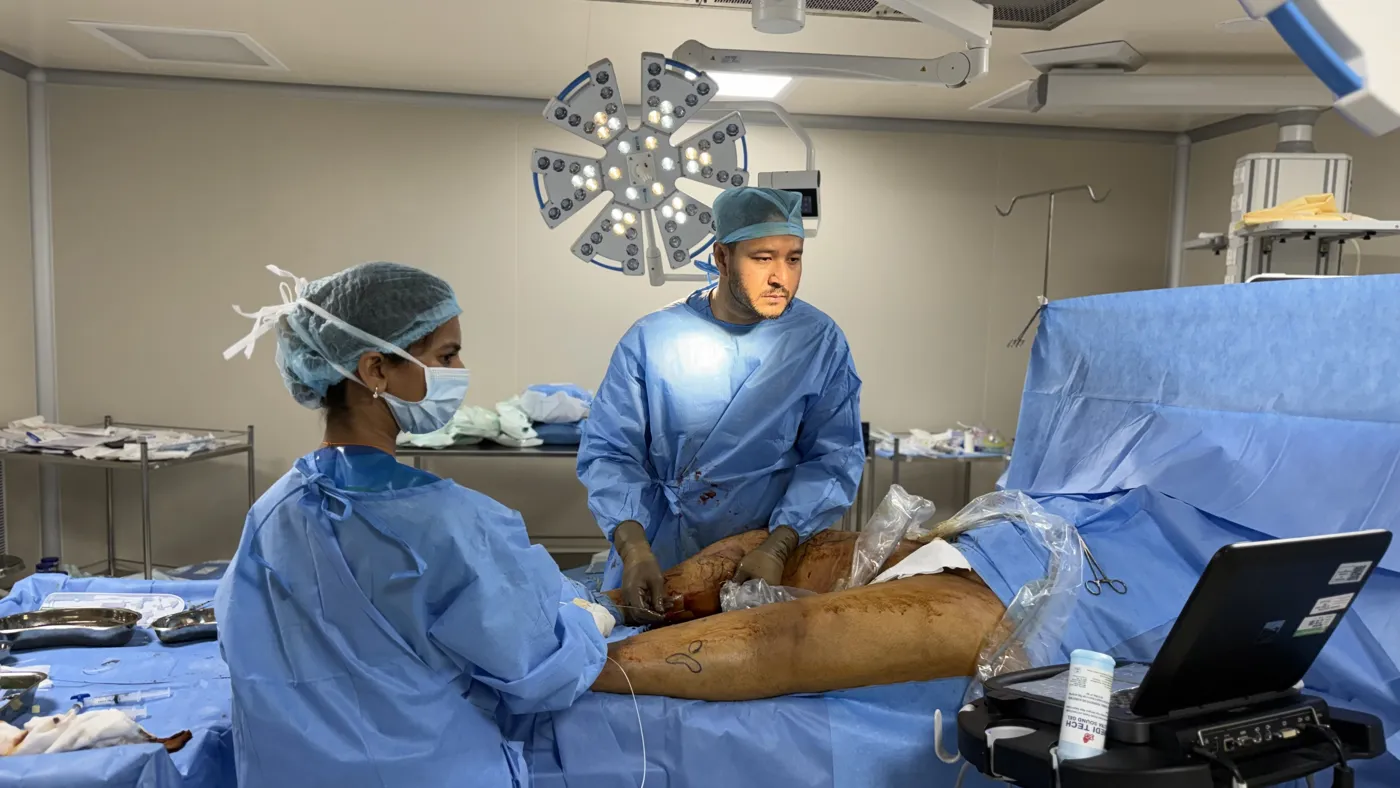
Much of the fear around hernia surgery comes from older open operations with long cuts and long recoveries. Today most groin hernias can be repaired laparoscopically (keyhole surgery) through three small cuts, with a mesh placed behind the muscle wall to reinforce the weak area.
Many patients go home the same day or the next morning, and most people with desk jobs are back at work within 1–2 weeks, depending on the hernia and how they recover. Heavy lifting is usually avoided for 4–6 weeks. Open repair is still the right choice for some patients, and the approach is always decided individually. You can read more on the hernia surgery page, including care for hernias that have come back after an earlier repair.
If cost is part of your decision, the hernia surgery cost guide explains what drives the price in Bangalore and how insurance usually works for hernia repair.
When to see a surgeon
See a surgeon if you notice a new bulge in the groin, at the navel or near an old scar, even if it does not hurt. An examination usually confirms a hernia within a few minutes, and an ultrasound helps when the bulge is small or the diagnosis is unclear.
Dr. Sanjit Gogoi is a General and Minimal Access (Laparoscopic) Surgeon on Sarjapur Main Road with about 18 years in general and laparoscopic surgery, including recurrent and incisional hernias. He will examine you, explain whether your hernia can be safely watched or is better repaired, and walk you through each option and its recovery in plain language.
Dr. Sanjit consults by day at SPARSH Hospital, Sarjapur Road (10 am to 5 pm) and in the evening at his clinic in Doddakannelli (5 pm to 8 pm), Monday to Saturday. Book a consultation, or send your scan report on WhatsApp to +91 99160 26256 first.
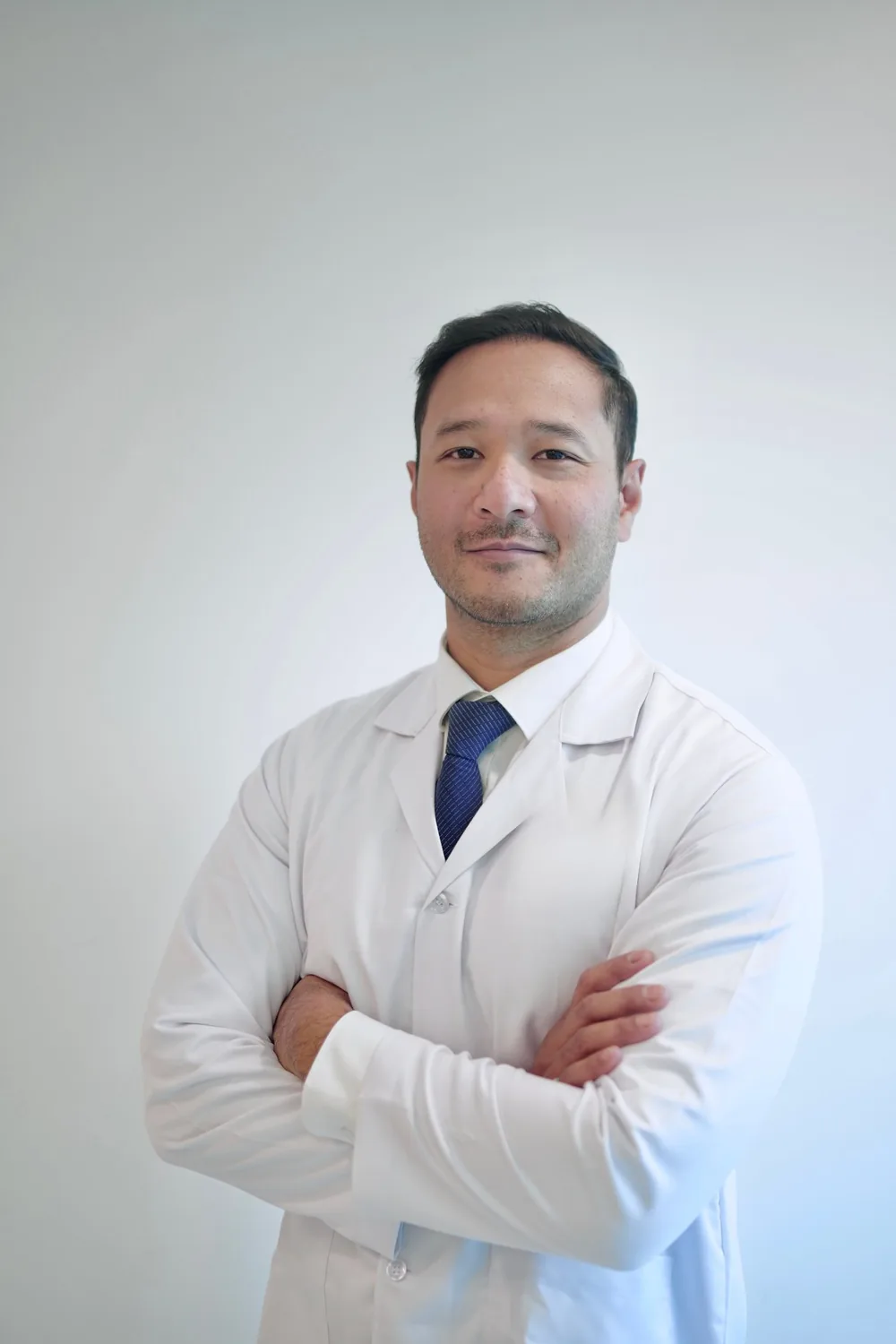
MBBS, MS (General Surgery), MRCS (Edinburgh). General and Minimal Access Surgeon with about 18 years in general, laparoscopic and laser surgery. Consults at SPARSH Hospital, Sarjapur Road (10 am – 5 pm) and his evening clinic in Doddakannelli (5 – 8 pm). KMC Reg. No. 96096. More about Dr. Sanjit